The chapter also suggests that we as people who want to create stronger connections, also keep caution as to who these people are, what they do and how much they can impact our point. As a future social worker I may not want to use an app such as Twitter to connect to my team or to my clients and/or said case. Instead I may want to connect through an app such as the Savvy Social Worker app where I can follow social work channels that update their info on a regular basis and also find information to improve my own field work and practice. Beyond this I can communicate the found information with my team or manager through Slack. This creates a strong advantage to keep the team up to date on new ideas and how we can also improve our approach when dealing with clients and certain cases. As Chapter 6 suggests, as learners we should always be open to new ideas and learning new things to improve not only our minds, but the minds of others working with us as well.
What tool would YOU use to benefit your career or learning experience?

References:
Nussbaum-Beach, S., Ritter Hall, L. (2012). The Connected Educator. Bloomington, IN: Soultion Tree Press.

I enjoyed reading your post! I liked the end where you mentioned the different applications that you will be using in your professional career. Savvy Social sounds like a great idea for your line of work! Are there other career paths that can use applications such as Savvy Social?
ReplyDeleteThanks for sharing! You have made a good point that the social media helps you much in a social work field. I think it makes sense as a group of people, especially teens, loves to share their feelings on social media. I think teens are nowadays shy to share their true feelings with others face to face. It seems that it would be a good start to be closer to your clients. Do you think it is possible to use this app to connect to different clients so that they can support each other? For example, your young clients do not feel comfortable to share everything with you, but they feel better to talk to peers. Do you think it works to bring peers together supporting each other emotionally?
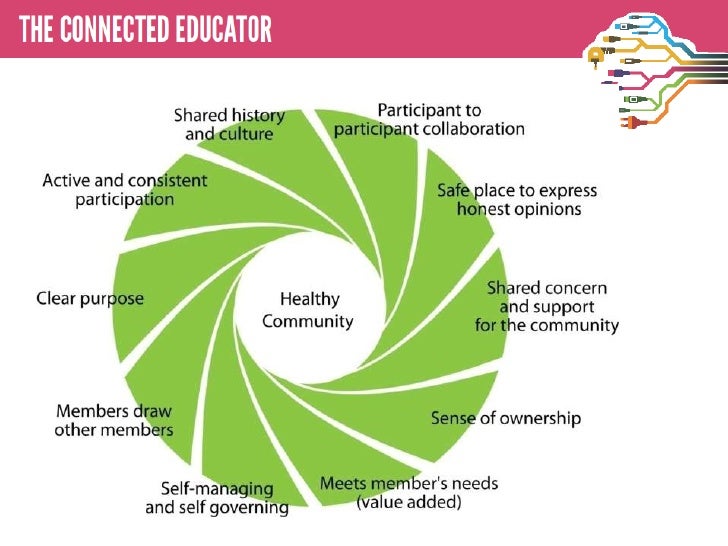
ReplyDeleteI really enjoyed your post! I didn't realize the number of technological tools that can be used for communication within the social networking community. Thanks for providing the examples. The diagram provided a great breakdown of the related interconnections that encompasses the Healthy Community. As a future social worker, what areas do you think may require additional focus?
ReplyDeleteI agree that following people we know on social media that have the same career can help and teach us with our own future careers or interests. Including the diagram was a great idea ! It gives a great visual to what you are explaining. Are there other apps you would use for your career ?
ReplyDeleteHello,
ReplyDeleteI like how you gave a clear picture on what chapter 6 talks about. In a personal network, we can share our goals and interests. This allows us to reach out beyond our workplace, our home and our schools to connect with people with the same history, purpose, meeting needs and creating a healthy community. We first must allow ourselves to become learners in a community and work our way up to be leaders. Our role in a group affects future growth in the number of people, which therefore leads to more learning and growth. It is only an incline at this point. I find it interesting that celebrities communicate more through Instagram and Twitter to reach out to other celebrities and collaboratig to create videos or products. If only there was a "well-known" app for physicians to collaborate and create content for other physicians. For now, we communicate through forums on websistes.
What role do you take in your team (linking, lurking, learning, and/or leading)?